

WHEAT & GRAINS
From grain lot.
To the buyer’s specification.
Product specifications, packed quantities and documentation kept aligned. Connect supplier pickup, freight, documents and final delivery around your cargo.
THE PRODUCT SHAPES THE PLAN
Grade, condition and quantity.
A clear plan for all three.
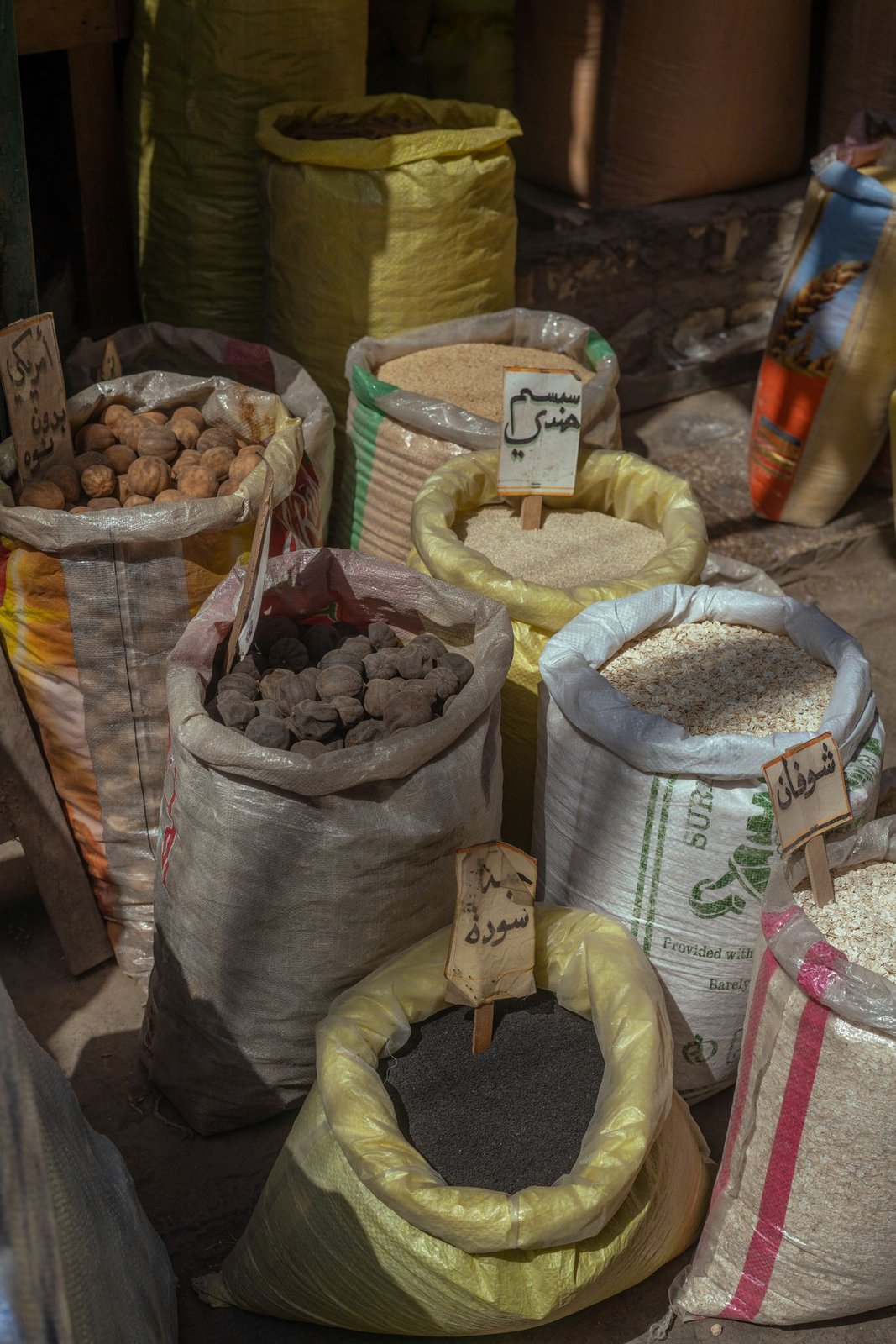
Grain shipments depend on more than booked tonnage. Grade, moisture, lot integrity and a clean loading environment influence what reaches the mill or buyer. Build the plan around the commodity specification, current trade conditions and suitable bulk or bagged handling.
BEFORE THE FIRST HANDOVER
Make the details clear.
Before pickup.
- 01
Grade and condition
Agree the commodity grade, moisture specification and required quality evidence, with sampling responsibilities clear before the goods enter the loading queue.
- 02
Clean, dry equipment
Check the cargo space and protective packing for water, residues, pests and previous-cargo concerns before accepting equipment for the grain lot.
- 03
Policy and weight
Review the exact product classification and current trade policy, then reconcile bag counts or bulk weights with the shipment documents.
THE PLAN, MADE PRACTICAL
Define the lot.
Keep the record intact.
Three connected stages, shaped around wheat & grains and the people handling the shipment.
Confirm the grain lot
Match grade, origin, quantity and agreed analysis to the buyer's order. Decide how the lot will be sampled, weighed and identified before loading arrangements are finalised.
Load dry and clean
Inspect the selected cargo space and prepare suitable bags or bulk arrangements. Record condition, weight and seals, while protecting the lot from water and contamination during loading.
Reconcile delivered quantity
Compare arrival weights or bag counts with the dispatch record. Separate any affected material for review if moisture, pest activity or damaged packing is observed at receipt.
SHIPPING REQUIREMENTS
The right checks.
For this cargo.
Review the product, origin, destination and transport mode together before committing to a shipment.
Use the official sources alongside the product instructions. Confirm the current requirements for the exact goods and countries involved.01Moisture and storage conditionCommodity quality
FAO grain guidance identifies moisture, insects and storage condition as factors that affect grain conservation. Use the buyer's commodity-specific limits and agreed sampling method rather than a single moisture number for every cereal. Record the checks so the receiving team can assess a disputed lot.
02Check current export policyIndia trade review
Grain policy can depend on the exact classification and product description. Review current DGFT notifications before contracting a shipment, and check applicable destination plant-health conditions separately. A previous shipment's clearance or a broad description such as cereals is not enough to establish the next shipment's eligibility.
WHEN SOMETHING NEEDS ATTENTION
Moisture result outside specification
A loading sample does not meet the agreed moisture specification. The affected lot is held for the supplier's quality team to review. A revised loading plan or replacement lot is arranged only after its condition and supporting records are accepted.
BEFORE YOU SHIP
A few practical answers.
Common questions about wheat & grains, from preparation to receiving.
Should grain move in bags or bulk?
Can a previous quality report cover a new lot?
YOUR NEXT SHIPMENT
Let’s plan around your cargo.
Share the product, the route and the conditions it needs.