
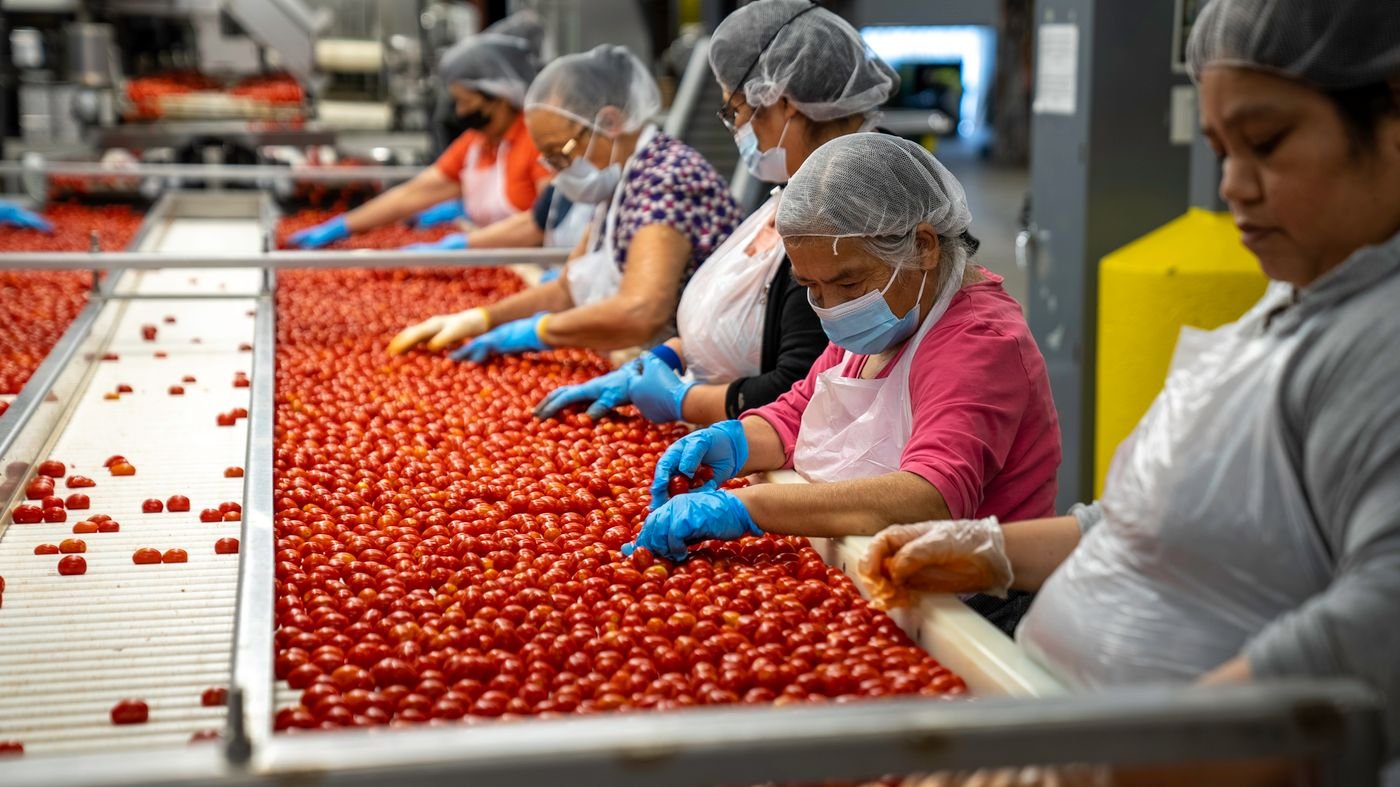
FOOD & BEVERAGES
Good food.
A carefully planned journey.
Product condition, packing and shipment documents planned around the goods. Connect supplier pickup, freight, documents and final delivery around your cargo.
THE PRODUCT SHAPES THE PLAN
Every product has
its own conditions.
A shelf-stable drink, a chilled ingredient and a fragile glass jar need different shipping plans. Start with the product's storage conditions, packaging and remaining life, then connect the supplier, border checks and receiving appointment around those details.
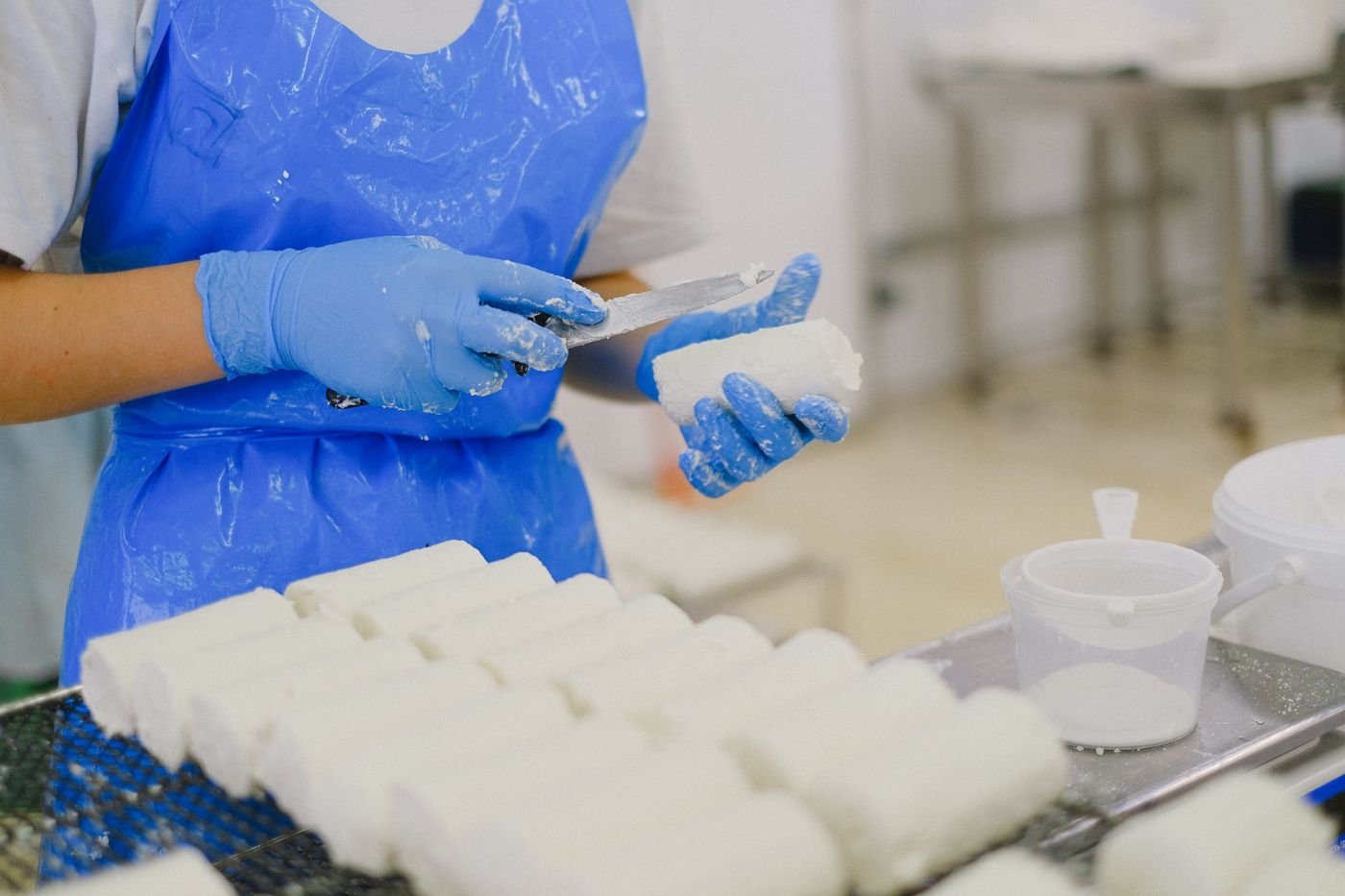
BEFORE THE FIRST HANDOVER
Make the details clear.
Before pickup.
- 01
Product and shelf life
Identify the ingredients, batch, date markings and storage instructions, then agree the minimum remaining shelf life the buyer will accept.
- 02
Packing and separation
Check food-contact packaging, seals, carton strength and any separation needed for odours, allergens or incompatible cargo before deciding the loading plan.
- 03
Receiving readiness
Confirm inspection arrangements, unloading hours and suitable storage at destination so the shipment does not wait without a receiving plan.
THE PLAN, MADE PRACTICAL
From the batch
to the receiving bay.
Three connected stages, shaped around food & beverages and the people handling the shipment.
Check the batch
Match product names, batch references and expiry information across the order, labels and packing list. Resolve missing ingredient or destination information before collection is arranged.
Protect the journey
Choose ambient or temperature-controlled transport from the product specification. Record seals, loading condition and monitoring needs, with a plan for waiting time at every transfer.
Review before receiving
Reconcile delivered quantities and batch records with the receiving team. Flag damaged packs or condition deviations for the food business's quality decision before stock is accepted.
SHIPPING REQUIREMENTS
The right checks.
For this cargo.
Review the product, origin, destination and transport mode together before committing to a shipment.
Use the official sources alongside the product instructions. Confirm the current requirements for the exact goods and countries involved.01Food import checksIndia imports
Food entering India follows FSSAI import requirements. The applicable route can include document scrutiny, visual inspection and risk-based sampling. Build the invoice, ingredient details, labels and relevant certificates around the actual product, and allow time for the official clearance process before committing a delivery appointment.
02Conditions follow the foodPacking and hygiene
Use the manufacturer's handling instructions and relevant food-hygiene guidance to define the journey. A refrigerated vehicle does not suit every food, and a clean exterior does not prove suitable food-contact packaging. Confirm packaging suitability, cleaning arrangements and compatibility with other goods before loading.
WHEN SOMETHING NEEDS ATTENTION
Batch date mismatch
The packing list and carton labels show different expiry dates. The batch is held while the supplier checks the production record, issues a corrected document and confirms the buyer's remaining-life requirement. The receiving team then reviews the matching records.

BEFORE YOU SHIP
A few practical answers.
Common questions about food & beverages, from preparation to receiving.
Does every food shipment need refrigeration?
What happens if a temperature limit is exceeded?
YOUR NEXT SHIPMENT
Let’s plan around your cargo.
Share the product, the route and the conditions it needs.