
AGRICULTURE
From the growing season.
To the next market.
Seasonal supply, cargo readiness and delivery windows planned together. Connect supplier pickup, freight, documents and final delivery around your cargo.
THE PRODUCT SHAPES THE PLAN
Plan around the crop.
And its destination.
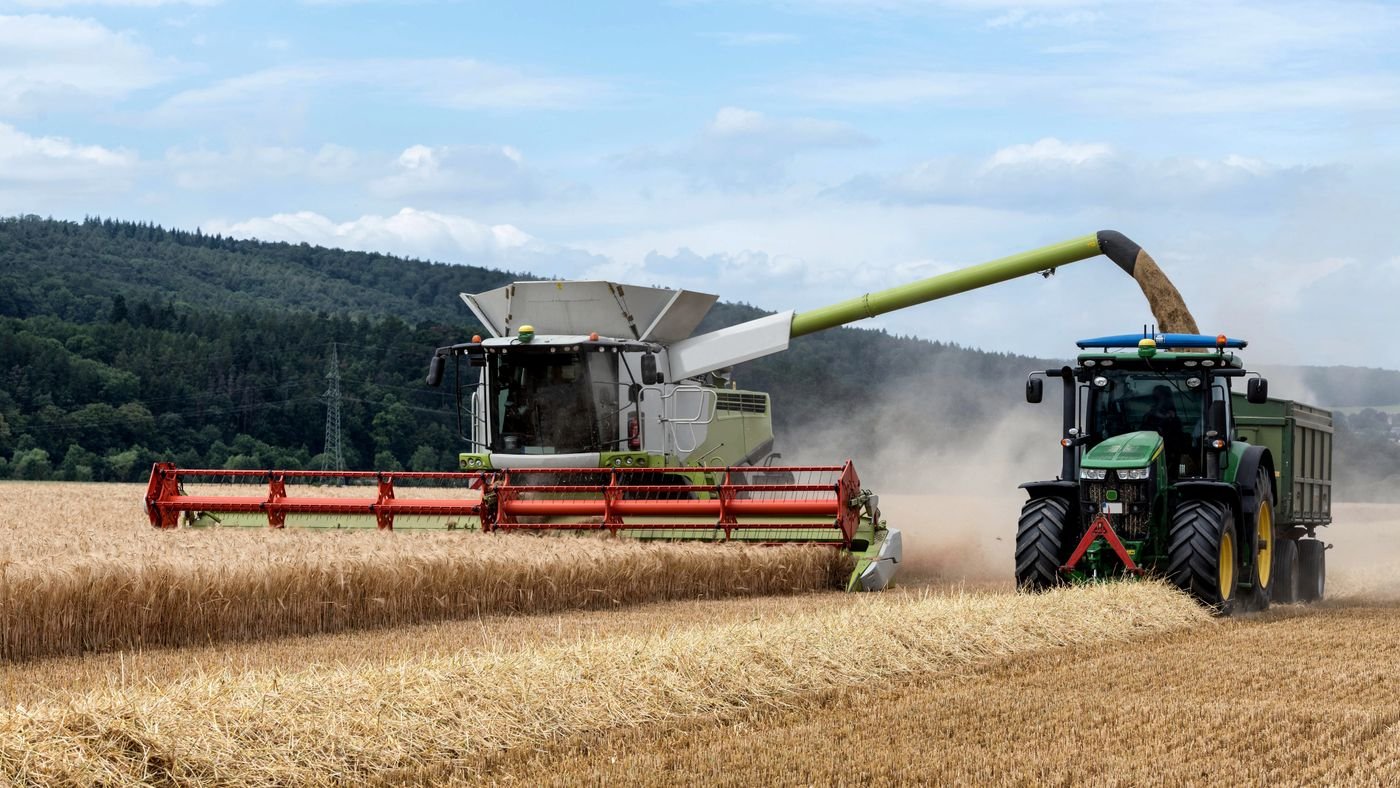
Agricultural shipments begin before a truck reaches the farm. Crop readiness, sorting, lot identity and destination plant-health conditions influence the booking. Connect harvest and packing decisions to transit time, inspection appointments and the buyer's receiving specification.
BEFORE THE FIRST HANDOVER
Make the details clear.
Before pickup.
- 01
Crop and lot identity
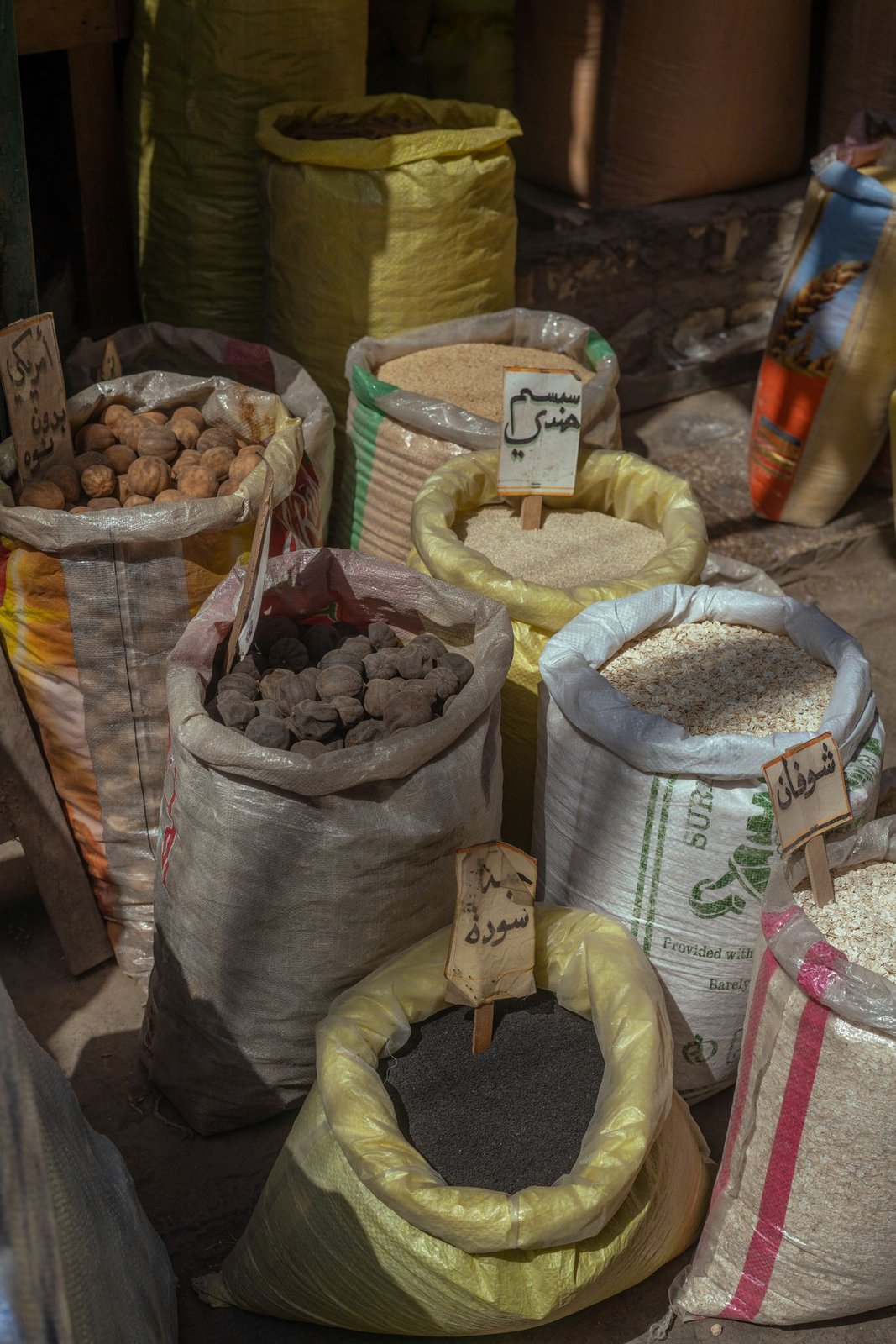
Record the commodity, variety, origin and grower or supplier lot so grading, packing and shipment records refer to the same goods.
- 02
Destination conditions
Check the market's plant-health requirements, permitted treatments and any inspection or certification steps before choosing a harvest and dispatch date.
- 03
Harvest-to-delivery timing
Plan collection around product readiness, packing capacity and the receiving window, including any cooling or drying needed for the chosen commodity.
THE PLAN, MADE PRACTICAL
Harvest. Prepare.
Hand over.
Three connected stages, shaped around agriculture and the people handling the shipment.
Define the crop lot
Bring origin, variety, grade and expected quantity into one lot record. Confirm the buyer's tolerances and destination requirements before the packing team prepares the consignment.
Prepare for transit
Coordinate sorting, suitable packing and commodity-specific conditioning. Keep inspection and treatment records linked to the lot, and check the vehicle or container before loading begins.
Receive by lot
Compare received quantity and condition with the loading record. Keep lots identifiable through unloading so a discrepancy can be reviewed without losing the shipment's source information.
SHIPPING REQUIREMENTS
The right checks.
For this cargo.
Review the product, origin, destination and transport mode together before committing to a shipment.
Use the official sources alongside the product instructions. Confirm the current requirements for the exact goods and countries involved.01Plant-health requirementsDestination review
Plant products can require phytosanitary certification based on the destination's import conditions. Confirm the commodity, origin and intended use with the relevant plant-protection authorities. Do not assume one certificate or treatment works for every crop or market; arrange applicable inspection before the departure window closes.
02Trace the produceFresh produce
For applicable Indian horticultural exports, APEDA's Hortinet links growers, lots, packing and certification activity. Establish which programme covers the product and destination, then align the shipment record with the required participants. The operational plan should also protect produce from contamination during handling and packing.
WHEN SOMETHING NEEDS ATTENTION
Lot reference needs correction
The pallet label does not match the lot on the inspection record. Collection pauses while the packhouse checks the source and packing entries. Corrected references are reconciled before the consignment proceeds to its applicable inspection or loading stage.
BEFORE YOU SHIP
A few practical answers.
Common questions about agriculture, from preparation to receiving.
Can every agricultural product follow the same route?
Is a phytosanitary certificate always required?
YOUR NEXT SHIPMENT
Let’s plan around your cargo.
Share the product, the route and the conditions it needs.