
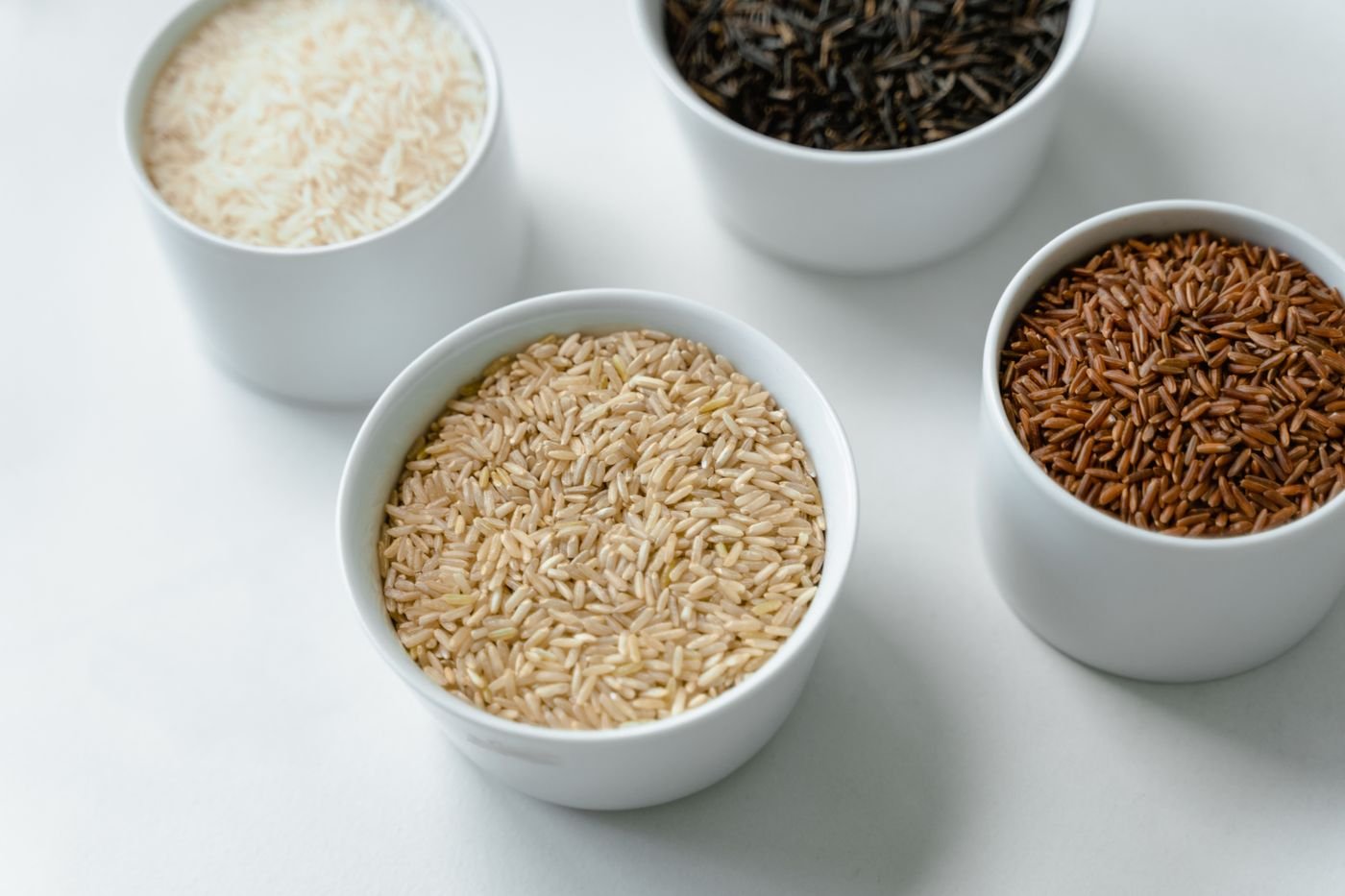
RICE
Every grade. Every bag.
One connected shipment.
Bag counts, grades and shipment records checked against the order. Connect supplier pickup, freight, documents and final delivery around your cargo.
THE PRODUCT SHAPES THE PLAN
The order starts
with variety and grade.
Rice shipments carry a detailed commercial specification: variety, milling, grade, broken percentage and pack size all matter. Keep those details connected to lot records, bag counts and current trade requirements, with moisture protection built into the journey.
BEFORE THE FIRST HANDOVER
Make the details clear.
Before pickup.
- 01
Variety and specification
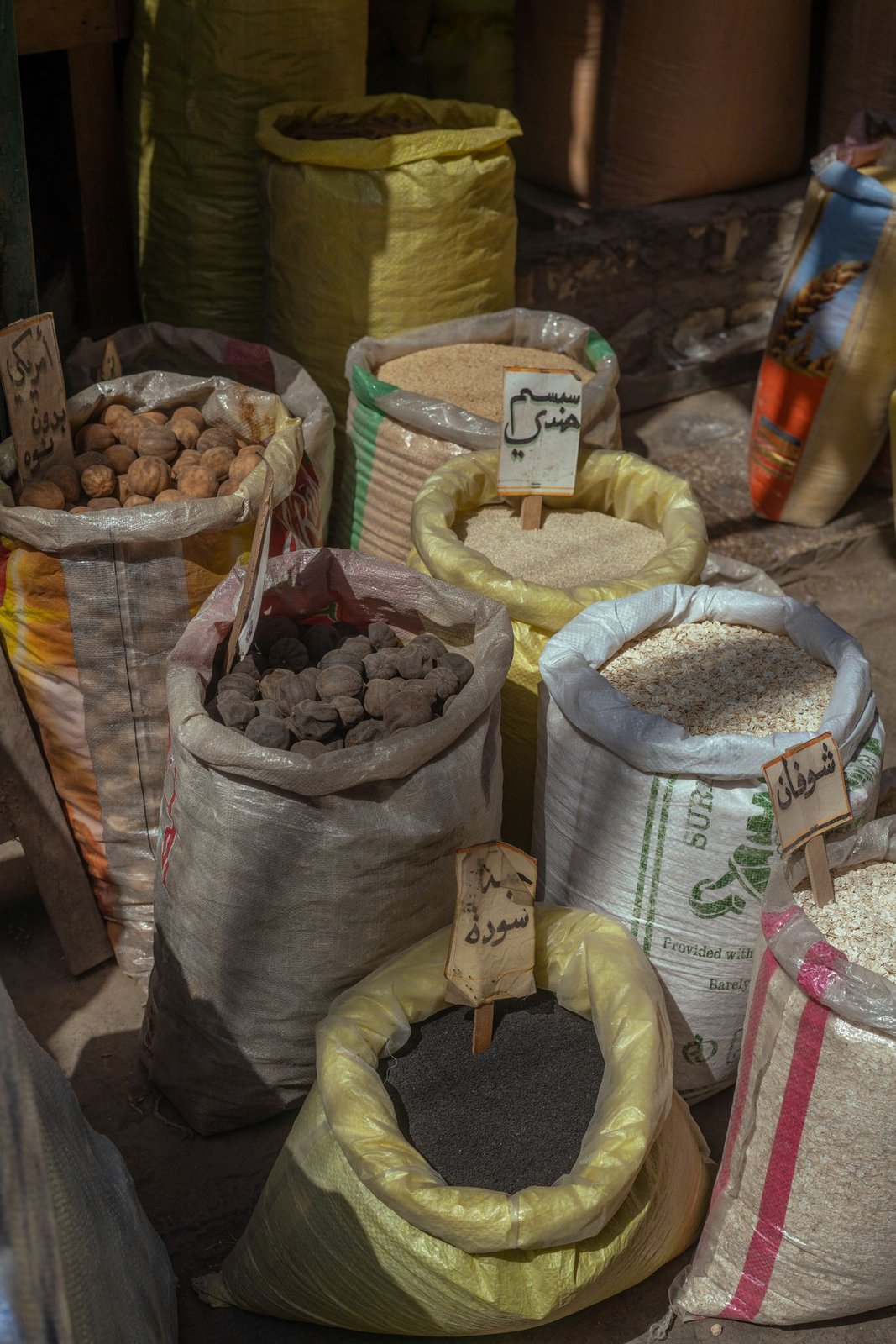
Match the ordered variety, processing, grade and pack size with the supplier's lot description and the information shown on each bag.
- 02
Bagging and loading
Check bag seams, pallet arrangement and the cargo space, then protect the consignment from water ingress, pests and contamination during handling.
- 03
Policy and paperwork
Confirm the precise rice classification and current trade conditions, with quantities, origin and any required plant-health documents matching the physical shipment.
THE PLAN, MADE PRACTICAL
Match. Count.
Hand over the lot.
Three connected stages, shaped around rice and the people handling the shipment.
Match the rice order
Bring the variety, milling specification and quality references together with the purchase order. Assign lot identifiers before bags from different production runs enter the dispatch area.
Count, protect and load
Verify bag counts and weights, inspect the cargo space and record sealing. Keep different grades distinguishable so the loading record can be reconciled at the destination warehouse.
Receive the right grade
Compare bag labels and lot records against the order during unloading. Record wet or torn bags and refer quality differences to the buyer before affected stock is accepted.
SHIPPING REQUIREMENTS
The right checks.
For this cargo.
Review the product, origin, destination and transport mode together before committing to a shipment.
Use the official sources alongside the product instructions. Confirm the current requirements for the exact goods and countries involved.01Current rice trade conditionsProduct classification
Check the current DGFT policy for the precise rice description and classification before planning export. Conditions may differ between rice categories and change over time. Confirm the relevant notification and effective date with the exporter or customs adviser rather than carrying forward a historic restriction or exemption.
02Protect dry grainStorage and transit
FAO guidance links sound grain storage to controlling moisture and pest exposure. For rice, agree the lot's acceptance specification and maintain dry, suitable packing and storage. Record any water ingress or suspected infestation at handover and direct the affected goods to a documented quality review.
WHEN SOMETHING NEEDS ATTENTION
Bag count does not reconcile
The loading tally differs from the packing list for one rice grade. The team recounts the affected stack, verifies bag weights and updates the shipment record. The corrected quantities are shared with the receiving warehouse before the container is sealed.

BEFORE YOU SHIP
A few practical answers.
Common questions about rice, from preparation to receiving.
Can different rice grades share a container?
Does an earlier export approval confirm today's policy?
YOUR NEXT SHIPMENT
Let’s plan around your cargo.
Share the product, the route and the conditions it needs.