
PLASTICS
From resin to finished parts.
Plan for the material.
Product form, packing and material documentation brought into one record. Connect supplier pickup, freight, documents and final delivery around your cargo.
THE PRODUCT SHAPES THE PLAN
Form, grade and intended use.
Each changes the brief.
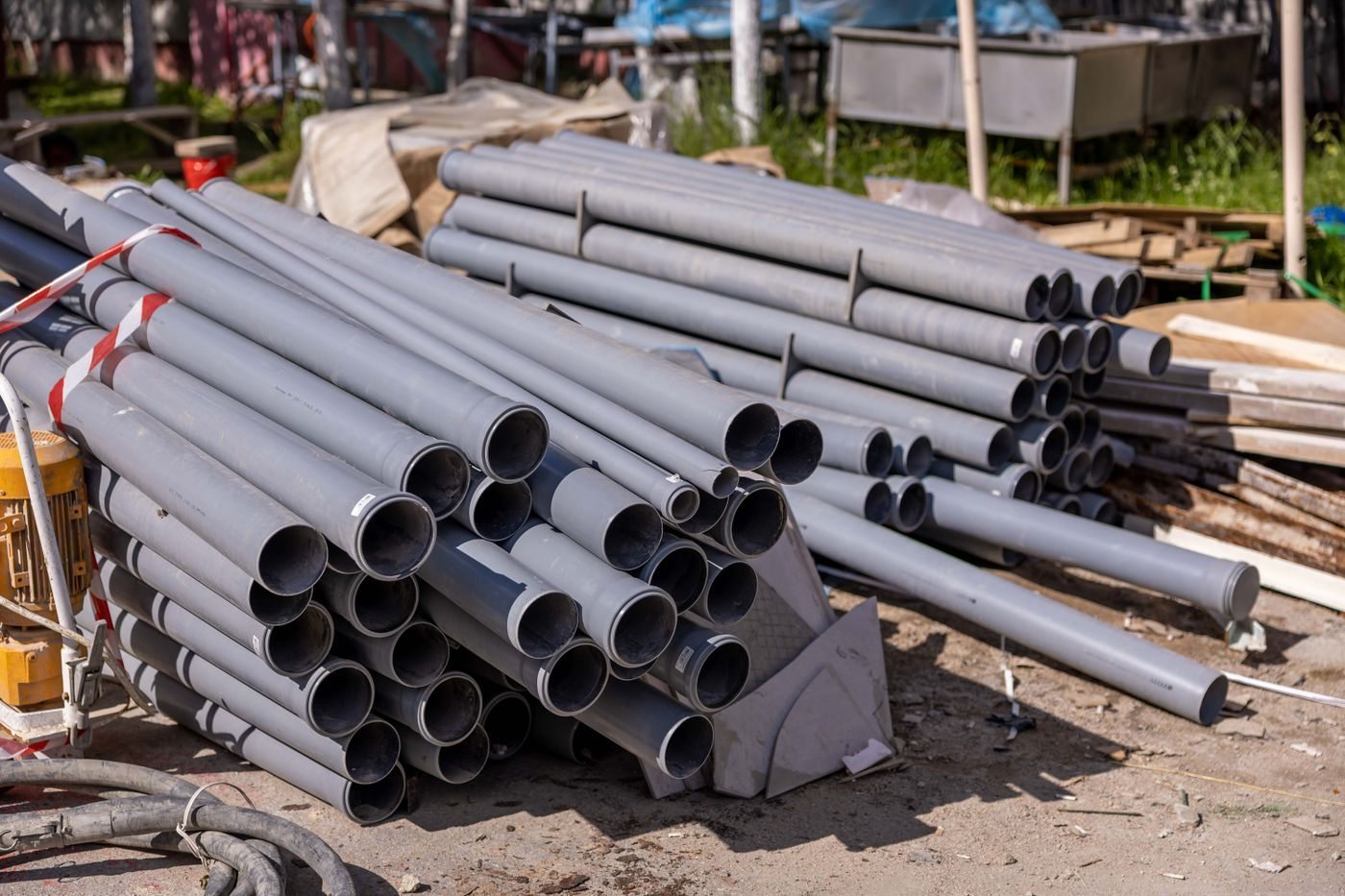
Virgin resin, finished plastic products and plastic waste need different shipment descriptions and checks. Start with the material, form and intended use, then connect bag or unit protection, lot records and regulatory review to the factory's receiving plan.
BEFORE THE FIRST HANDOVER
Make the details clear.
Before pickup.
- 01
Polymer and product form
Identify the polymer, grade and whether the shipment contains pellets, powder, sheet or finished articles, with supplier specifications and relevant safety information available.
- 02
Containment and cleanliness
Check bags, liners or bulk arrangements to reduce leakage and contamination, keeping grades and colours distinguishable through loading and warehouse receipt.
- 03
Product or waste status
Clarify whether the material is a saleable product, recycled feedstock or regulated waste before booking, with the actual condition and intended use documented.
THE PLAN, MADE PRACTICAL
Identify. Contain.
Keep the grade connected.
Three connected stages, shaped around plastics and the people handling the shipment.
Identify the polymer lot
Match polymer grade, form and lot details to the production order. Resolve questions about additives, hazard information or waste status before assigning the goods to a transport plan.
Contain and protect
Prepare suitable bags, liners or protected units and check their integrity. Keep different grades identifiable, record quantities and confirm arrangements to manage any accidental loss during handling.
Receive by material grade
Compare labels, quantities and packing condition at the receiving plant. Isolate damaged or mixed material for review so an unresolved identification issue does not enter the production feedstock.
SHIPPING REQUIREMENTS
The right checks.
For this cargo.
Review the product, origin, destination and transport mode together before committing to a shipment.
Use the official sources alongside the product instructions. Confirm the current requirements for the exact goods and countries involved.01Waste is a separate reviewCross-border material status
Plastic waste movements can fall under Basel Convention controls, including consent procedures depending on the waste category and national rules. Determine the material's actual status before shipment. Do not describe a waste consignment as ordinary resin or assume that the word recycled removes applicable import or export controls.
02Product-specific requirementsGrade and end use
For plastic products and polymers entering India, check current product-specific requirements, including any applicable quality-control order. End use matters too: material intended for food contact needs a separate suitability review. Keep the exact grade and producer information with the evidence so it can be matched to the consignment.
WHEN SOMETHING NEEDS ATTENTION
Material description is unclear
The invoice calls the goods resin, while supporting records describe mixed recovered plastic. Booking pauses while the supplier and importer establish the material's true status and applicable controls. Shipment resumes only with an accepted description and the required supporting permissions.

BEFORE YOU SHIP
A few practical answers.
Common questions about plastics, from preparation to receiving.
Are all plastic pellets ordinary cargo?
Can recycled material use the same paperwork as virgin resin?
YOUR NEXT SHIPMENT
Let’s plan around your cargo.
Share the product, the route and the conditions it needs.