
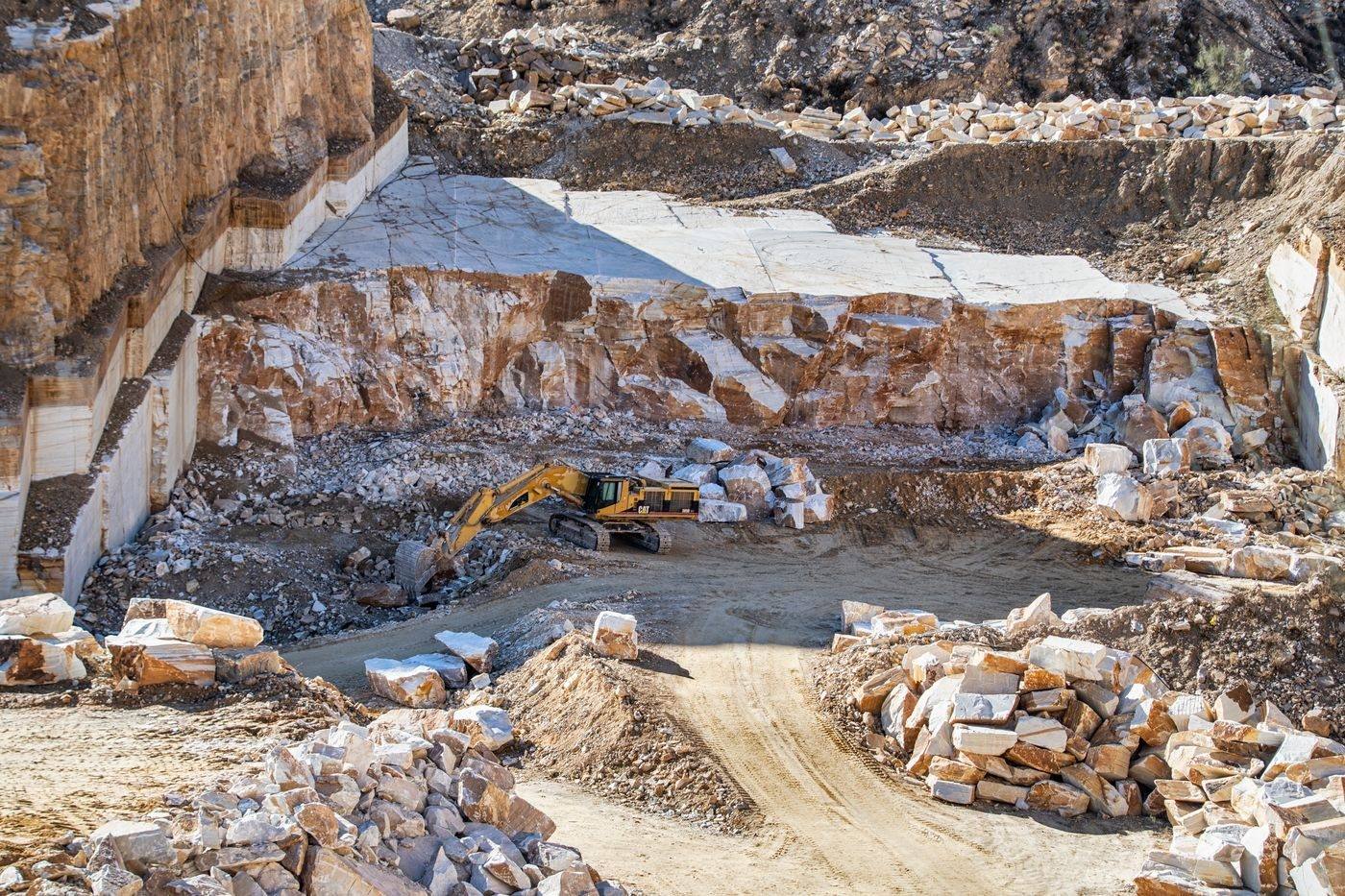
MINING & MINERALS
Heavy materials.
A plan built on the details.
Cargo weight, loading arrangements and material details checked before movement. Connect supplier pickup, freight, documents and final delivery around your cargo.
THE PRODUCT SHAPES THE PLAN
Know the material.
Then choose the movement.
Mineral cargo needs an exact material description and a handling plan built around its physical properties. Connect sampling, weight and loading information to the selected transport mode, with different preparations for packaged material and solid bulk cargo.
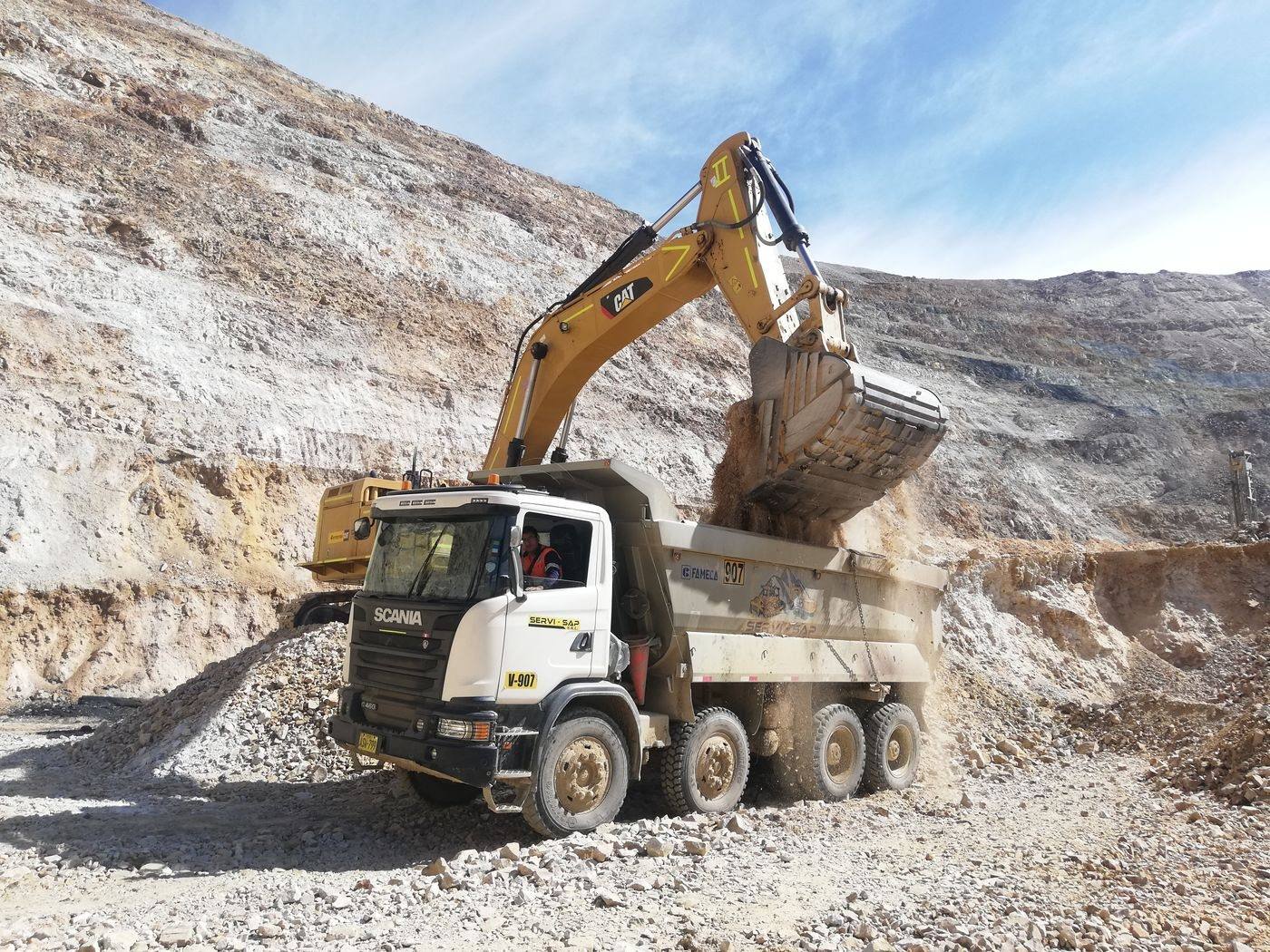
BEFORE THE FIRST HANDOVER
Make the details clear.
Before pickup.
- 01
Material and cargo form
Identify the mineral, composition and whether it will move loose, bagged or containerised, with relevant material and hazard information available for review.
- 02
Weight and condition
Confirm weights, particle characteristics and required moisture evidence for the cargo, using representative sampling and the applicable acceptance criteria before loading.
- 03
Loading and discharge
Agree handling equipment, dust controls, loading limits and discharge arrangements with the facilities involved so the cargo is accepted at both ends.
THE PLAN, MADE PRACTICAL
Characterise. Load.
Reconcile the delivery.
Three connected stages, shaped around mining & minerals and the people handling the shipment.
Identify the mineral
Match the commercial description to the material specification and cargo form. Gather applicable analysis and transport information before choosing between packaged, containerised or solid bulk movement.
Check loading readiness
Reconcile weight, cargo condition and acceptance documents with the loading facility. Confirm suitable equipment and handling arrangements before the material enters the agreed transport unit or vessel.
Reconcile at discharge
Compare discharged quantities and material records with the shipment plan. Record loss, contamination or condition concerns and preserve lot identity while the responsible parties review any discrepancy.
SHIPPING REQUIREMENTS
The right checks.
For this cargo.
Review the product, origin, destination and transport mode together before committing to a shipment.
Use the official sources alongside the product instructions. Confirm the current requirements for the exact goods and countries involved.01Solid bulk classificationSea freight
Solid bulk cargo carried by sea is addressed by the IMSBC Code, including material-specific hazards. Establish the applicable cargo schedule and required information with the shipper and vessel operator. For cargo susceptible to liquefaction, obtain the relevant moisture and transportable-moisture evidence through the required competent process.
02Packaged mineral cargoTransport acceptance
Packaged and containerised minerals need their own weight distribution, packing and hazard assessment. If the material is dangerous goods, the applicable modal requirements also apply. A mineral name alone is insufficient: share composition, physical form and relevant transport classification so acceptance can be reviewed before space is confirmed.
WHEN SOMETHING NEEDS ATTENTION
Cargo analysis is incomplete
The submitted material record lacks information required for the chosen bulk-cargo assessment. Loading is held while the shipper obtains the appropriate analysis and declaration. The operator reviews the completed set before accepting the consignment for the planned movement.

BEFORE YOU SHIP
A few practical answers.
Common questions about mining & minerals, from preparation to receiving.
Do all mineral cargoes require moisture certificates?
Can a container booking replace a loading assessment?
YOUR NEXT SHIPMENT
Let’s plan around your cargo.
Share the product, the route and the conditions it needs.