
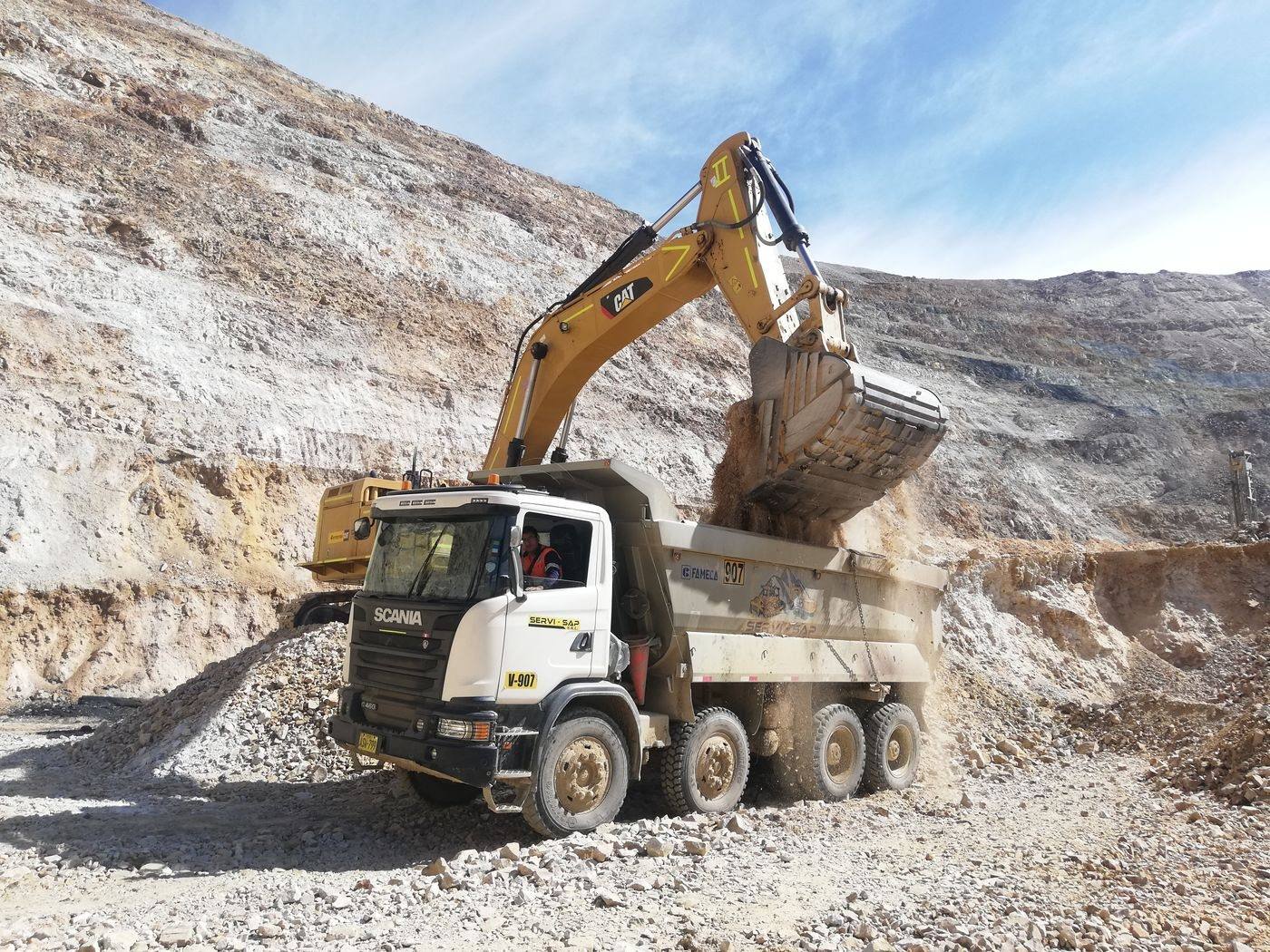
HEAVY MACHINERY
Exceptional dimensions.
Carefully planned movements.
Dimensions, lifting points and equipment needs reviewed before routing. Connect supplier pickup, freight, documents and final delivery around your cargo.
THE PRODUCT SHAPES THE PLAN
The load determines
the route and equipment.
Heavy machinery moves start with dimensions, weight and a safe way to handle the load. Connect engineering drawings, lifting points and the centre of gravity to equipment selection, route access and site readiness before arranging the physical move.
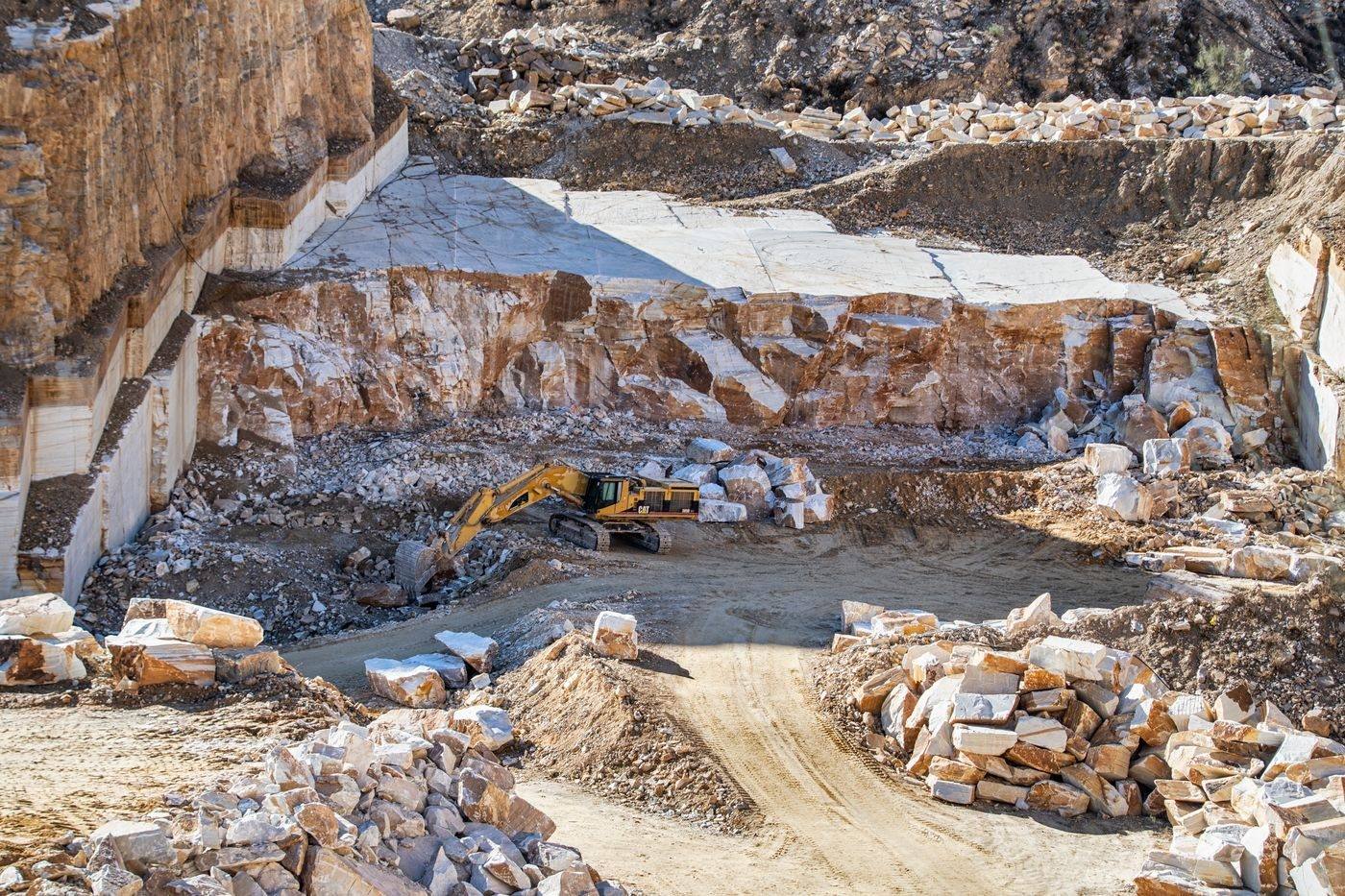
BEFORE THE FIRST HANDOVER
Make the details clear.
Before pickup.
- 01
Engineering information
Obtain accurate packed dimensions, unit weight, centre of gravity and approved lifting points, including removable parts and any transport locks required by the manufacturer.
- 02
Route and equipment
Review access, height and width constraints, loading facilities and transport equipment, with permits or specialist arrangements checked for the actual route and load.
- 03
Site handover
Confirm unloading space, ground conditions and the receiving lift plan, with responsibility for rigging, supervision and installation clearly agreed before delivery.
THE PLAN, MADE PRACTICAL
Measure. Engineer.
Coordinate the handover.
Three connected stages, shaped around heavy machinery and the people handling the shipment.
Measure the complete load
Build a transport record from the manufacturer's drawings and packed measurements. Identify lifting points, centre of gravity and separate accessories before selecting the route and equipment configuration.
Plan the engineered move
Coordinate specialist lifting, securing and route arrangements for the defined load. Check transport locks, packing and agreed permits, then confirm loading readiness with the responsible teams.
Handover at the site
Reconfirm access and unloading equipment before arrival. Match the machine and accessories to the receiving record, and document condition while the competent site team manages the agreed lift.
SHIPPING REQUIREMENTS
The right checks.
For this cargo.
Review the product, origin, destination and transport mode together before committing to a shipment.
Use the official sources alongside the product instructions. Confirm the current requirements for the exact goods and countries involved.01Lifting requires a real planCompetent handling
HSE guidance highlights competent planning, suitable equipment and clear responsibility for lifting operations. Use those principles as a planning reference and apply the legal requirements of the actual location. A shipping illustration or basic weight entry is not an engineered lifting plan for a heavy machine.
02Securing and transport scopeEquipment selection
The cargo's shape and mass determine its securing and handling needs. The responsible specialists should assess the selected transport unit, support points and route constraints. For international shipments, also review the equipment's technical classification and any applicable product or export-control requirements before committing the movement.
WHEN SOMETHING NEEDS ATTENTION
Packed dimensions have changed
A protective frame makes the finished load wider than the dimensions used for planning. Collection pauses while the transport and lifting specialists reassess equipment, route access and any permissions. The updated measurements are accepted before the move is rescheduled.

BEFORE YOU SHIP
A few practical answers.
Common questions about heavy machinery, from preparation to receiving.
Are catalogue dimensions enough to obtain a firm plan?
Can the delivery truck also unload the machine?
YOUR NEXT SHIPMENT
Let’s plan around your cargo.
Share the product, the route and the conditions it needs.