

PHARMACEUTICALS & HEALTHCARE
Pharmaceutical shipments.
Every condition matters.
From the manufacturer’s instructions to the receiving team’s checks, we help connect the transport, handling and records around your medicines.
FOR MANUFACTURERS, DISTRIBUTORS & IMPORTERS
Start with the medicine.
Then plan the movement.
A tablet, a biological product and a pharmaceutical ingredient can need very different journeys. The product’s instructions shape the route, packaging, monitoring and delivery arrangements.

BEFORE THE FIRST HANDOVER
Make the conditions clear.
Before pickup.
- 01
The product’s required conditions.
Start with approved transport and storage instructions, including temperature, light or moisture sensitivity and any permitted exposure limits.
- 02
The whole journey, including waiting.
Plan for collection, terminal handling, customs and the final receiving window. Packaging duration and contingency arrangements need to cover these handovers.
- 03
A clear record and a named owner.
Agree how shipment and monitoring records are captured, who reviews them and who is authorised to assess a deviation.
THE PLAN, MADE PRACTICAL
Product. Protection.
Proof at handover.
Three connected stages bring the product instructions, packed shipment and receiving record together.
Define the product’s journey.
Confirm transport conditions, batch and expiry details, destination permissions and receiving arrangements before selecting the route.
Prepare & monitor.
Match qualified packaging and the monitoring plan to the product instructions, expected transit time and each planned handover.
Review the record at receipt.
Connect the temperature record with the shipment. Refer any excursion to the responsible quality team and follow its documented disposition.
SHIPPING REQUIREMENTS
The details follow
the product and route.
Product conditions, transport acceptance and regulatory permissions each need their own review.
Confirm the current requirements for the exact product, intended use and countries involved before booking.01Product conditions & distributionTemperature limits · packaging · GDP
Use the manufacturer’s approved storage and transport instructions. Refrigerated, frozen and controlled room-temperature products need different arrangements; there is no single temperature range for all medicines.
For temperature-sensitive products, select qualified packaging or equipment for the payload, expected ambient conditions and maximum journey time. Include customs dwell time and contingency storage. Agree handling responsibilities across the route.
02Air freight & special handlingBooked service · labels · cooling agents
Confirm the airline’s acceptance, booking instructions, handling arrangements and required labels before collection. For time- and temperature-sensitive healthcare cargo, the IATA label communicates the external transportation temperature range.
If dry ice or another regulated component is used, review the applicable dangerous-goods requirements and carrier conditions separately. The cooling method must suit the medicine and its packaging.
IATA pharmaceutical cargo guidance03Cross-border permissionsProduct · manufacturer · importer · destination
Confirm the permissions applicable to the product, manufacturer or site, importer and intended use. Indian drug imports follow the applicable CDSCO registration and licensing route; exports also need a review of current DGFT policy and destination requirements.
Align product descriptions, batch details, quantities and supporting records with the invoice and packing list. Product approvals and any required permits need to be ready alongside the customs documents.
A USEFUL FIRST CONVERSATION
Bring the product brief.
We’ll connect the next steps.
These details help us review the shipment with the relevant transport, handling and customs providers.
Start your shipment- Product & batch
- Product name, dosage form or ingredient, quantity, batch or lot references, expiry dates and the required remaining shelf life on delivery.
- Conditions & packaging
- Approved temperature and handling instructions, proposed pack-out or equipment, qualification information, monitoring plan and any cooling agents.
- Route & receiving plan
- Pickup and delivery locations, cargo-ready date, latest acceptable arrival, receiving hours, storage arrangements and a named consignee contact.
- Documents & responsibilities
- Invoice, packing list and applicable product, export or import permissions. Identify who reviews temperature records and decides how deviations are handled.
THE RECORD TRAVELS WITH THE PRODUCT
A handover needs
more than a signature.
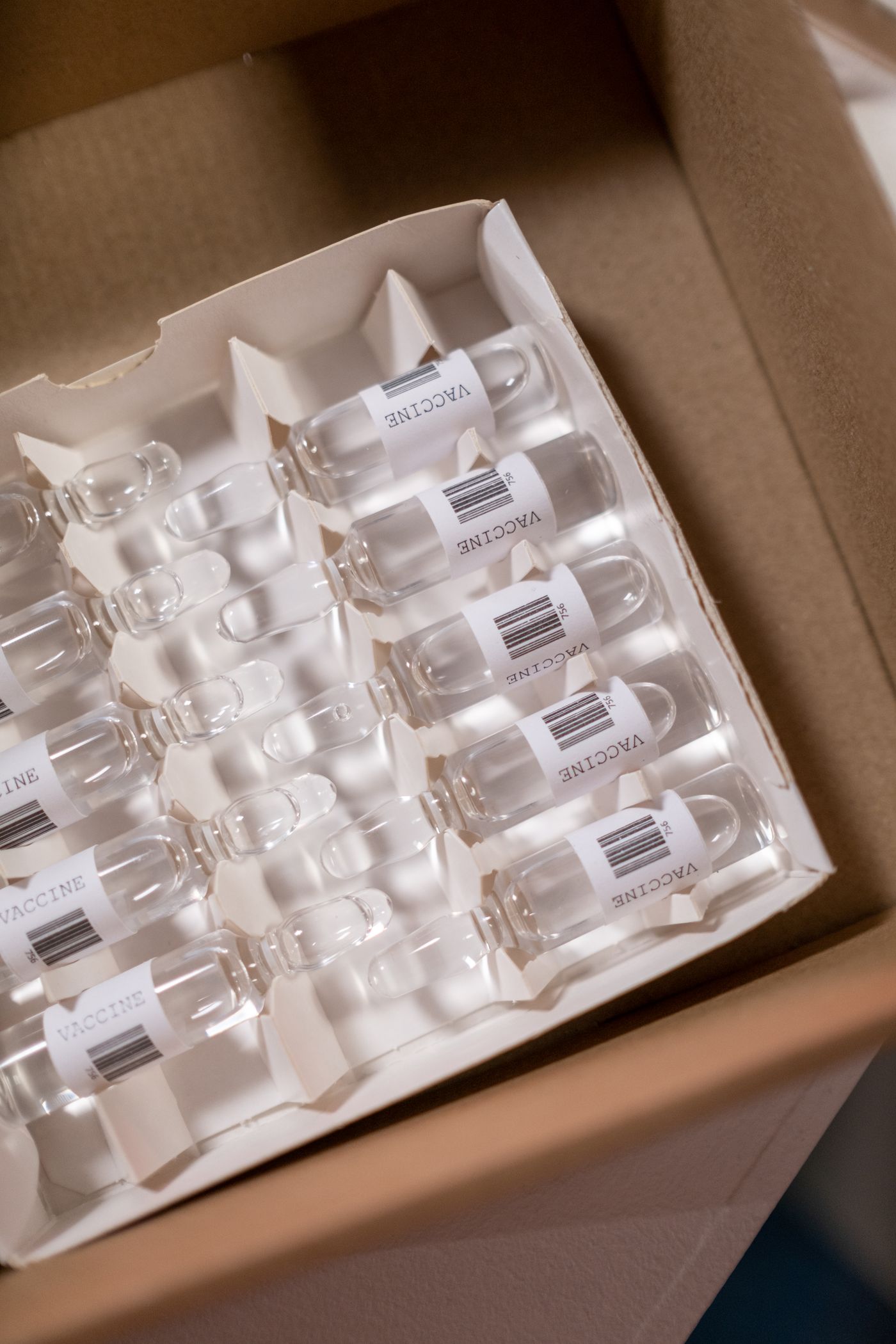
Keep the batch references, package condition, delivery time and monitoring record connected. If something falls outside the agreed conditions, preserve the evidence and involve the responsible quality team before a disposition decision.
BEFORE YOU SHIP
A few practical answers.
Start with the approved product instructions and a review of the intended journey.
Do all pharmaceutical products need 2–8°C transport?
What happens if the temperature goes outside the agreed range?
Is insulated packaging enough for the whole journey?
Can clinical-trial supplies or controlled medicines use the same process?
YOUR NEXT PHARMACEUTICAL SHIPMENT
Let’s plan around the product.
Share the medicine, the route and the conditions it needs.