
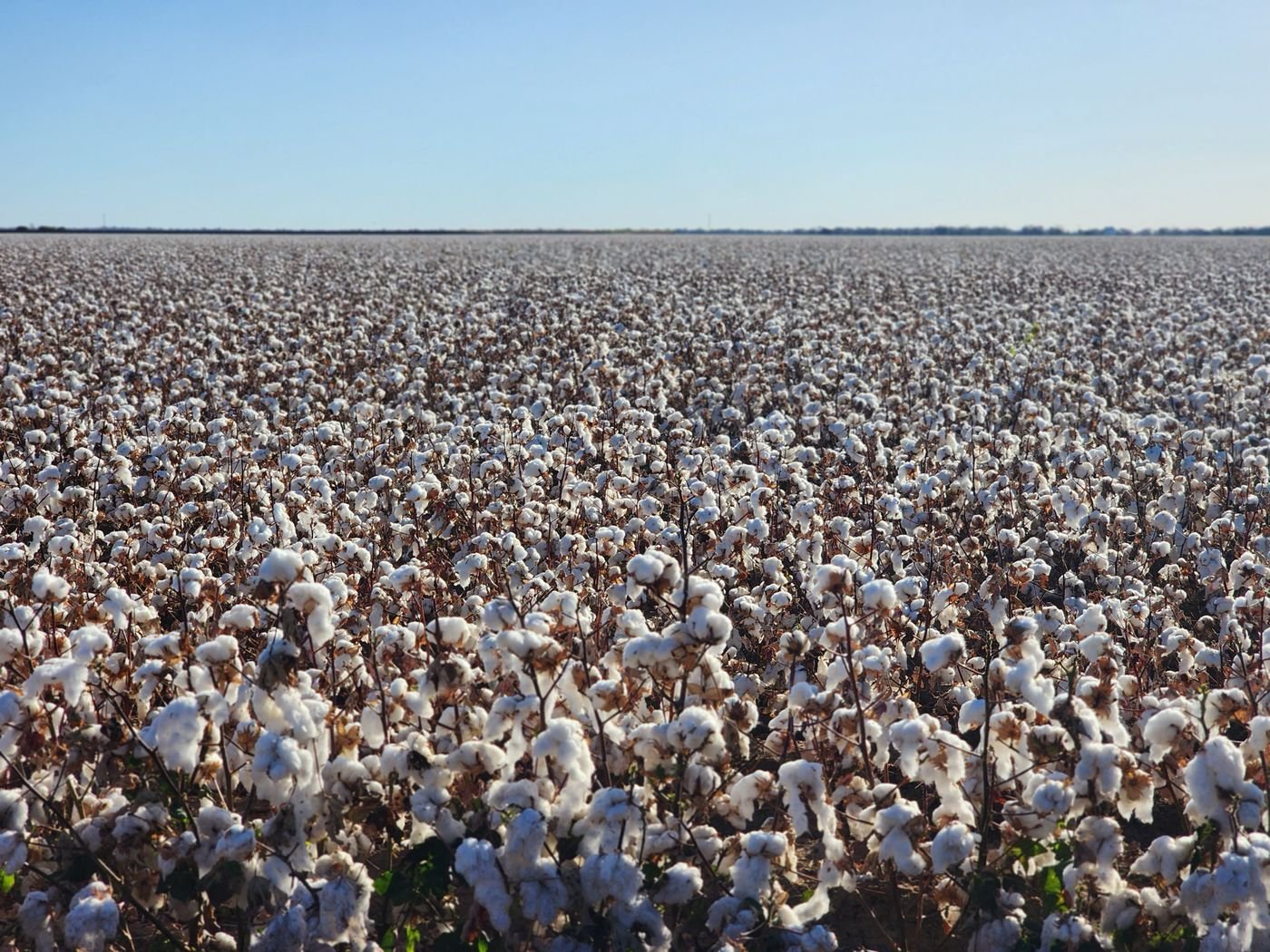
COTTON
From bale to mill.
Keep the fibre in focus.
Bale details, moisture considerations and supplier collection planned together. Connect supplier pickup, freight, documents and final delivery around your cargo.
THE PRODUCT SHAPES THE PLAN
Bale identity and condition.
The details behind the load.
Cotton shipments rely on clear bale identity and protection of the fibre's condition. Grade, weight and moisture information need to stay connected through collection and loading, while packing, transport classification and destination plant-health requirements are reviewed for the actual product.
BEFORE THE FIRST HANDOVER
Make the details clear.
Before pickup.
- 01
Bale and quality records
Match bale numbers, grade, weight and the buyer's fibre specification, keeping the relevant quality evidence linked to the bales selected for the shipment.
- 02
Dry, clean handling
Review bale condition, wrapping and storage, with precautions against water, foreign matter and contact with incompatible goods during loading and transport.
- 03
Form and acceptance
Declare the cotton's form, compression and condition accurately, then confirm the carrier's classification review and any destination plant-health documentation required for the consignment.
THE PLAN, MADE PRACTICAL
Identify the bales.
Protect the fibre.
Three connected stages, shaped around cotton and the people handling the shipment.
Identify the bale set
Reconcile bale numbers and weights against the order's quality references. Record the selected lots before collection so substitutions or mixed grades can be detected while the supplier has access.
Check and protect bales
Inspect wrapping and visible condition, then confirm the accepted loading arrangement. Keep bales dry and identifiable while quantities, seals and any condition observations are entered in the shipment record.
Reconcile fibre at receipt
Compare received bale identities and weights with the dispatch record. Flag wetting, contamination or damaged wrapping against the affected bales before they are accepted into the mill's stock.
SHIPPING REQUIREMENTS
The right checks.
For this cargo.
Review the product, origin, destination and transport mode together before committing to a shipment.
Use the official sources alongside the product instructions. Confirm the current requirements for the exact goods and countries involved.01Transport classification mattersCarrier acceptance
Do not assume that every form or condition of cotton has identical transport acceptance. Give the shipper's material details to the responsible dangerous-goods reviewer and carrier. If the cargo is regulated for the selected mode, apply the relevant classification, packing and declaration requirements before booking is confirmed.
02Plant-health and bale identityDestination review
Raw plant products can be subject to destination plant-health requirements. Confirm the treatment, inspection or phytosanitary evidence needed for the actual cotton form and route. Keep bale and lot references consistent across the supporting documents so any official inspection can be related to the consignment being shipped.
WHEN SOMETHING NEEDS ATTENTION
Bale identity is missing
A group of bales has unreadable identifiers, preventing a match to the quality and weight records. The supplier checks the lot history and restores verified identification. Unresolved bales stay outside the accepted shipment until their identity and condition are reviewed.

BEFORE YOU SHIP
A few practical answers.
Common questions about cotton, from preparation to receiving.
Is bale count enough to describe the shipment?
Can wet or damaged bales be loaded after rewrapping?
YOUR NEXT SHIPMENT
Let’s plan around your cargo.
Share the product, the route and the conditions it needs.